Living Out of One Bag
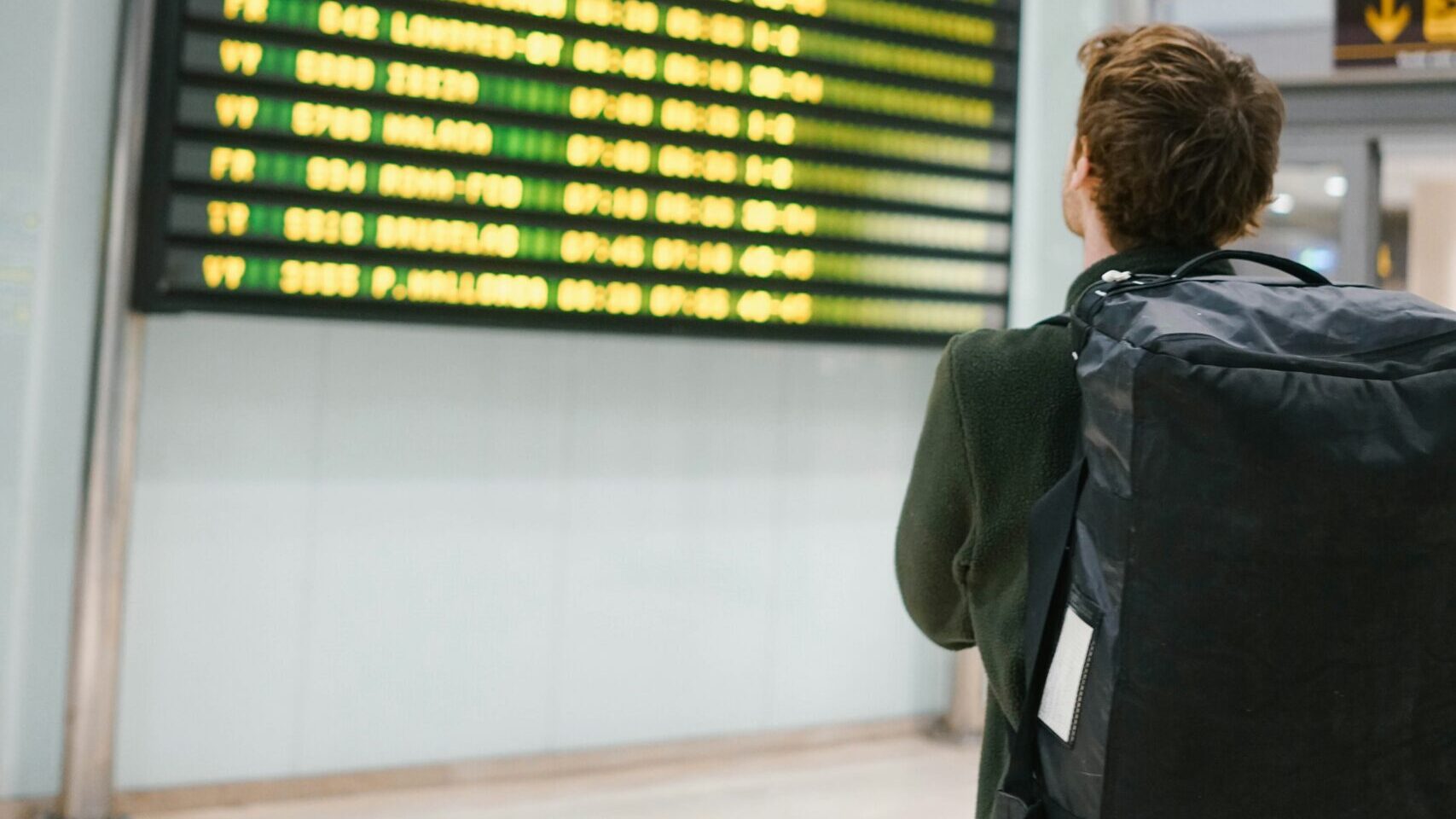
Photo by Giulia Squillace
Can you fit all of your belongings in a single backpack? Why Should you?
There is a moment every long-term traveler eventually faces: standing over an open bag, staring at a pile of things that all seem important, knowing only half of them can come.
A second pair of shoes. A jacket “just in case.” The nice outfit. The book you swear you’ll read. The extra cable, the backup toiletries, the sentimental item that weighs almost nothing but somehow feels heavy to leave behind.
Living out of one bag asks a simple question with surprisingly deep consequences: what do you actually need to carry through life?
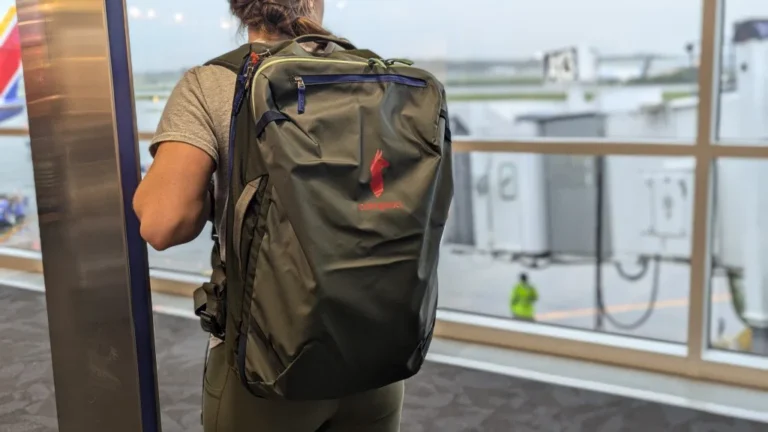
“One bag” means living full-time out of a single carry-on sized bag. Not a checked suitcase plus a daypack. Not a carry-on and a personal item stuffed to the limit. One compact backpack or travel bag that fits within typical airline carry-on limits and holds everything you own on the road. It sounds extreme at first. Then, for some people, it starts to sound like freedom.
The hard limit changes everything
The first thing one-bag travel gives you is a boundary. A home can expand almost endlessly. Closets fill. Drawers become graveyards for things you might use someday. A garage, spare room, or storage unit makes it easy to delay decisions. A carry-on bag does not negotiate.
If you are living out of one backpack, every object has to earn its place. Clothing must be versatile. Toiletries must be small. Electronics must be necessary. Shoes, often the bulkiest and most annoying items to pack, become a serious commitment. You don’t bring four pairs because you like having options. You bring one pair that can survive long walks, casual dinners, airports, rain, and uneven sidewalks, the kind of problem a collapsible shoe like the Bedrock Mountain Clog is built to solve. The constraint is physical, but it quickly becomes philosophical.
You begin asking better questions. Do I need this, or do I just like the idea of being the kind of person who has it? Am I packing for my actual life, or for imaginary scenarios? How often will I really use this? Is this item solving a real problem, or soothing a fear? One-bag travel makes overpacking visible. There is no “just toss it in” when every inch matters.

The wardrobe becomes a system
Clothing is usually where the biggest shift happens.
A one-bag wardrobe is not about wearing the same dirty shirt forever or giving up personal style. It is about building a small, reliable system where most pieces work together, the same idea behind our practical guide on how to pack one bag for travel. Neutral colors become useful. Layers matter more than bulky items. Fabrics that dry quickly, resist odor, and hold up to repeat wear become more valuable than trendy pieces that only work in one setting.
Instead of packing for every possible climate, one-bag travelers usually pack for flexibility. A lightweight jacket, a warm layer, a few breathable shirts, compact pants or shorts, and enough underwear and socks to avoid doing laundry every day. The exact setup depends on the person, but the principle is the same: everything should be wearable often, washable easily, and compatible with the rest of the bag.
Laundry becomes part of the rhythm of life. Maybe it’s a laundromat in Lisbon, a hostel machine in Bangkok, a hotel sink in Mexico City, or a rented apartment washer in Prague. Clean clothes are no longer something produced by an overflowing closet. They are the result of a routine. That routine can feel annoying at first. Then it becomes strangely grounding. No matter where you are, you know how to reset.
The benefits are bigger than the bag
The most obvious benefit of living out of one carry-on sized bag is mobility.

Lisbon, Portugal · Photo by Georgi Kalaydzhiev
You can land in a new city and walk straight out of the airport. No baggage carousel. No lost luggage desk. No dragging a massive suitcase across cobblestones, up staircases, through subway stations, or down broken sidewalks in the rain. You can change plans quickly. If a cheaper flight appears, if a friend invites you somewhere, if a city doesn’t feel right, you are not anchored by your belongings. Your life is already packed.
This flexibility changes the emotional texture of travel. Movement becomes less dramatic. Leaving a place takes minutes instead of hours. Packing is not a stressful event; it is a small daily habit. The less you carry, the less friction there is between wanting to go somewhere and actually going.
There is also a financial benefit. Traveling with only a carry-on can help avoid checked baggage fees, especially on shorter flights or budget airlines. But the bigger savings often come from what you stop buying. When every new object has to fit into your bag, impulse purchases lose their charm. Souvenirs become photos, journal entries, recipes, or small items with real meaning. Shopping becomes less recreational and more intentional. The bag teaches restraint without needing a lecture.
Minimalism becomes practical, not aesthetic
Online minimalism can sometimes feel staged: white walls, perfect shelves, one ceramic mug placed just so. One-bag minimalism is different. It is not about looking minimal. It is about functioning with less.

Your possessions are not arranged for a photo. They are being tested in airports, buses, guesthouses, coworking spaces, train stations, shared apartments, and border crossings. If something does not work, you notice quickly. If something is uncomfortable, too heavy, too fragile, too specialized, or too annoying to pack, it becomes a problem. This creates a very practical relationship with stuff.
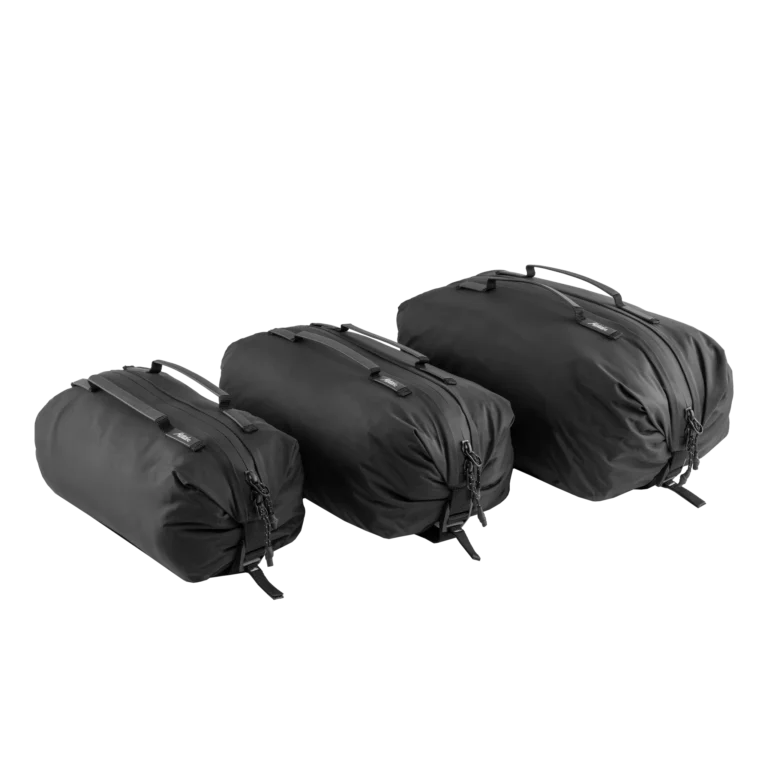
A good rain shell is not just clothing; it is protection. A reliable charger is not just an accessory; it is your connection to work, maps, banking, and communication. A compact toiletry kit is not just neat; it is the difference between a smooth security line and a messy repack under pressure.
The things you own become fewer, but your appreciation for them often increases. You know what you use because you use almost everything.
The lifestyle is not a permanent vacation
One of the biggest misconceptions about full-time travel is that it feels like a constant holiday. It doesn’t.
Living out of a carry-on sized bag while traveling full-time still involves ordinary life. You answer emails. You get tired. You buy groceries. You deal with stomach issues, bad Wi-Fi, noisy neighbors, delayed trains, confusing laundromats, and the occasional deep craving for a familiar pillow.
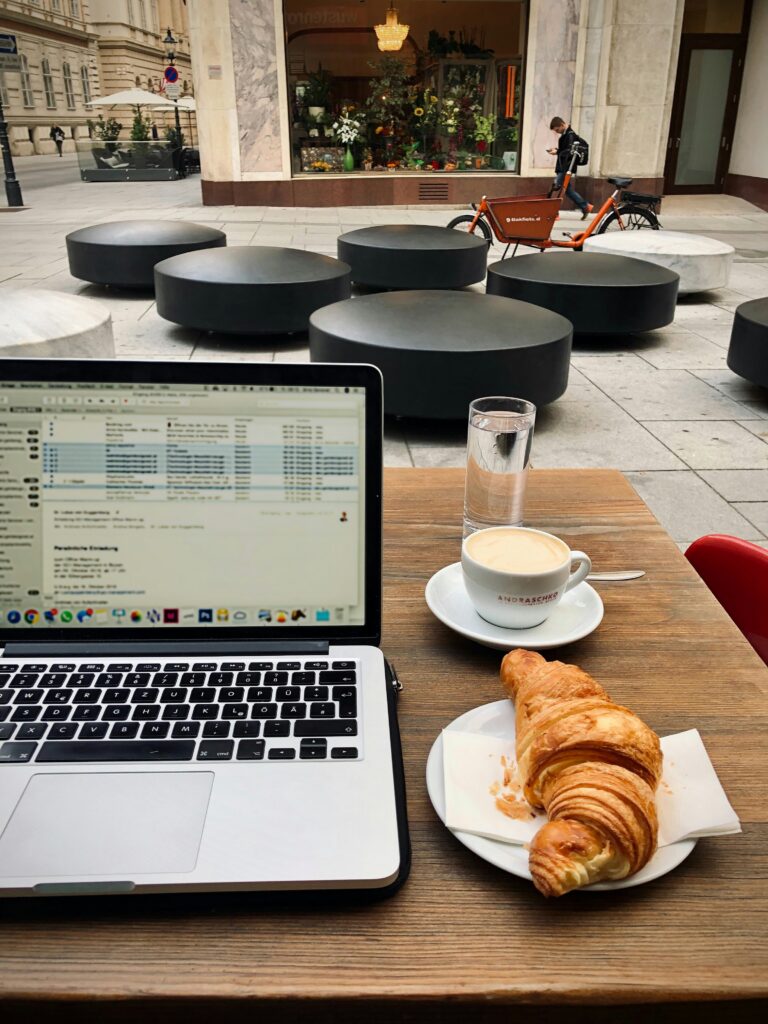
The difference is that ordinary life happens against a changing backdrop.
Breakfast might be in a rented room in Tokyo one month and a small café in Medellín the next. Your “commute” might be a walk to a coworking space or a train ride to a new neighborhood. Your home is temporary, but your routines become portable.
This is where one-bag living becomes less about the bag and more about self-management. You learn what keeps you stable: morning walks, regular exercise, enough sleep, a few favorite apps, a consistent work setup, a travel towel that actually dries, or a small pouch where your important documents always live.
Full-time travel requires systems. One-bag travel requires even better ones.
The constraints can get uncomfortable
The freedom is real, but so are the trade-offs.
You will sometimes wish you had packed something. You may get tired of wearing the same clothes in every photo. You may miss having different outfits for different moods. Cold weather can be difficult because warm clothing is bulky. Formal events are tricky. Hobbies that require equipment, painting, camping, cycling, gaming, cooking, photography, may need to be simplified or sacrificed.
There is also the emotional constraint. Not everyone enjoys owning so little. Some people feel comforted by having options, books, decorations, favorite kitchen tools, or a wardrobe that expresses different sides of who they are. For them, one-bag living may feel less like freedom and more like constant limitation. That matters.
The goal is not to prove superiority by needing the least. The goal is to match your possessions to the life you want. If living out of one bag makes you feel light, capable, and alive, it may be worth exploring. If it makes you feel deprived and rootless, there is no moral victory in forcing it.
Minimalism is only useful when it serves your life.
You become more aware of place
One unexpected benefit of carrying less is that you often engage more with wherever you are.

When you don’t carry everything, you rely on your environment. You buy soap locally. You visit neighborhood laundries. You adapt to local weather instead of packing your entire home climate with you. You learn where to get a haircut, how pharmacies work, what people wear in the rain, and which markets sell the small things you need.
This can make travel feel more immersive. You are not moving around inside a bubble of your own belongings. You are participating, even in small ways, in the daily systems of each place.
Of course, there is privilege in this. One-bag travel is easier when you have money to replace things, a strong passport, digital access, and the ability to work remotely or fund long-term movement. Traveling light should not be romanticized as if everyone can simply choose it. But for those who can, it can become a powerful exercise in trust: trust that you can solve problems as they arise, rather than packing for every fear in advance.
The bag is really a mirror
At first, living out of one bag seems like a packing challenge. Eventually, it becomes a mirror.
It shows you your habits. Your anxieties. Your attachments. Your need for control. Your tolerance for uncertainty. It reveals whether you buy things out of need, boredom, identity, or convenience. It forces you to define comfort more carefully.
You may discover that you need less than you thought. You may also discover that a few small comforts matter more than expected. A favorite hoodie. A proper sleep mask. A tiny notebook. A good pair of headphones. One-bag living is not about eliminating comfort; it is about choosing comfort carefully. The best one-bag travelers are not the people with the most austere packing lists. They are the people who understand themselves well enough to carry what genuinely supports their life.
So, can you fit your life in a backpack?
Physically, maybe. With enough discipline, most people can fit the basics into a carry-on sized bag: a small wardrobe, toiletries, documents, electronics, and a few personal items. But the deeper question is whether you want the kind of life that bag creates.
A one-bag lifestyle is mobile, flexible, and intentional. It removes clutter, lowers friction, and makes the world feel easier to move through. It also demands compromise, repetition, planning, and a willingness to let go of many comforts that stationary life makes easy.
For full-time travelers, the single bag becomes more than luggage. It becomes a tiny home, a personal boundary, and a daily reminder that freedom often comes from having fewer things to protect. Can you fit all of your belongings in one backpack? Maybe the better question is:
what would you be free to do if you could?
If you want the practical next step (bag size, clothing math, and a sample list), start with how to pack one bag, or the two-week version in carry on luggage for 2 weeks.
There's more where that came from...